
Sober take: taxes suck but how is Kenya going to repay everything?
Lessons to be learned from Africa's credit-fueled infrastructure spending binge

What the world is seeing unfold before our screens in real-time in Kenya is shocking, and quite frankly, scary.
Kenyans are right to be angry and frustrated about these proposed taxation measures. Real wages are declining in Kenya, so these taxes will only make people poorer, especially when it comes to the wananchi of the country.
Infrastructure-led growth in Africa and debt accumulation
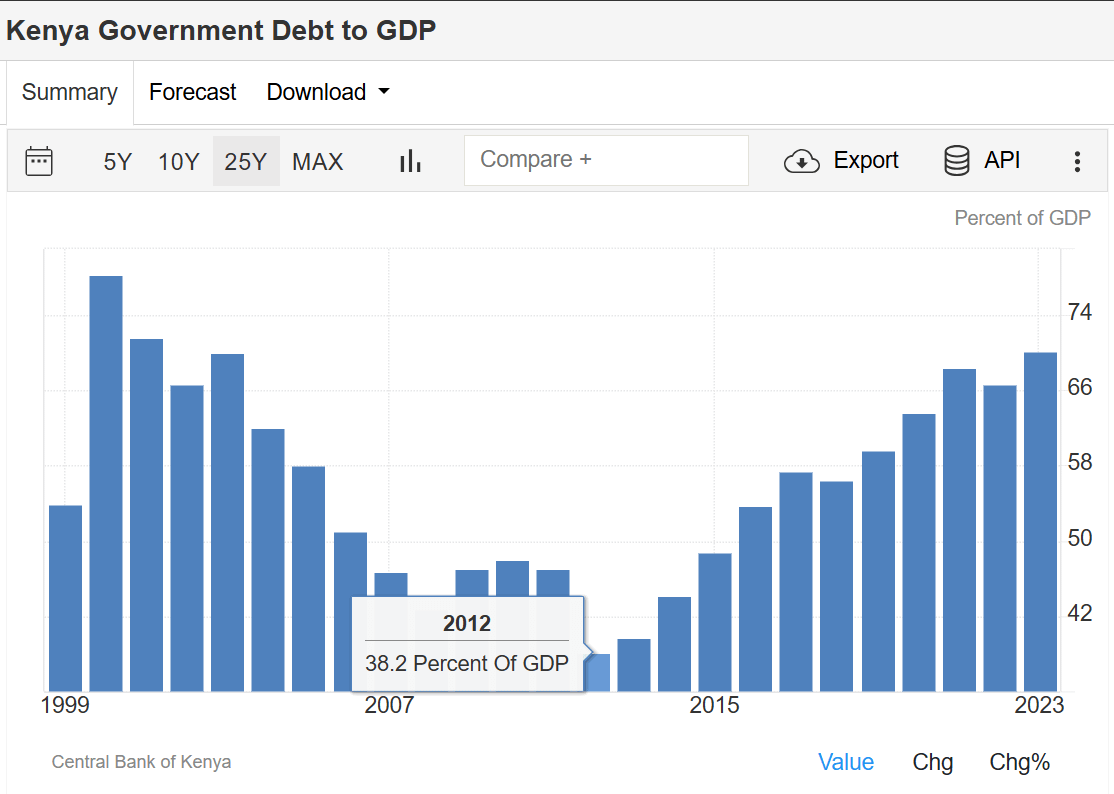
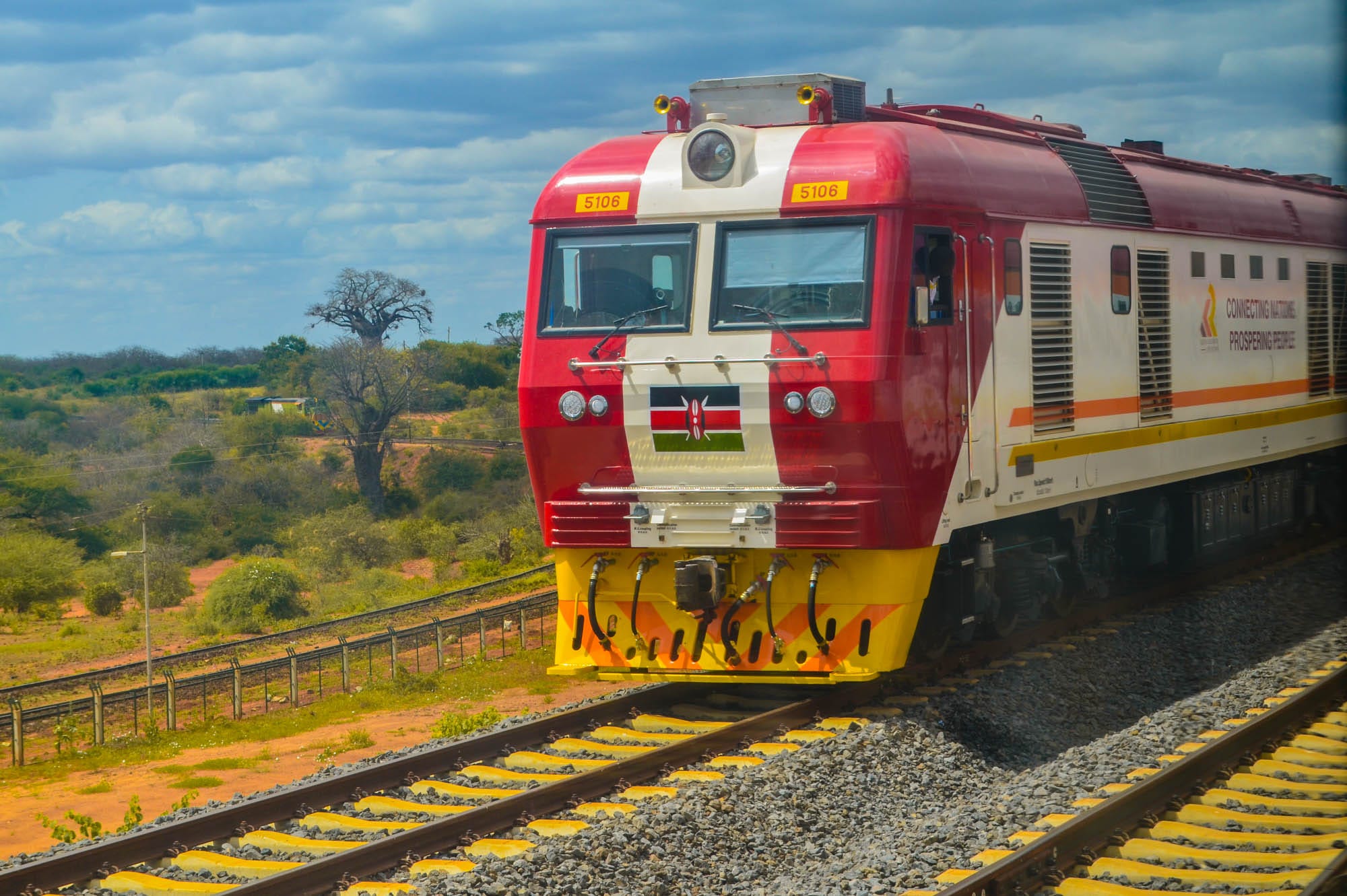
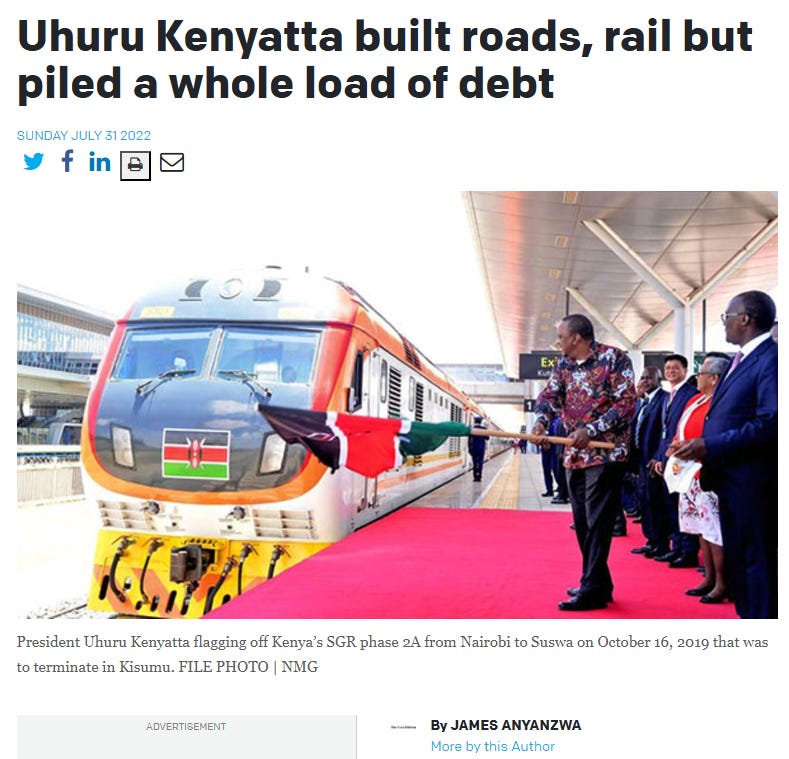
A conversation needs to be had about the underlying issues at play here though. Under the Uhuru government, piles of debt were taken on in order to build and improve infrastructure, among other things. Examples include the construction of the country’s 700km long Nairobi-Mombasa standard gauge railway (SGR) line in 2017. The bill for this is about USD$5 billion, with the bulk of it financed by borrowing. Over 9,000km of tarmacked road was also built from 2012-2022. Kenya's debt-to-GDP ratio grew from around 40 percent in 2012 to about 70 percent in 2023 as a result.
Kenya’s economy has been growing, but not fast enough to account for population growth. Productivity rates have failed to keep up with debt growth, preventing the country from growing its way out of it all.
It's safe to say that the infrastructure spending didn't generate the returns we were all expecting. I have to admit that I was once firmly in the infrastructure over everything camp, and now realize that it's not a silver-bullet, nor even a sure shot to economic development and success.
And now..the bill is due
So this brings us to the hard question of how exactly is Kenya going to repay all of this debt? The money has to come from somewhere, where do we propose?
Economist David Ndii seems to have had the last laugh here. As he might be on to something when he argues that more resources need to be invested in education and skills training, along with agriculture. As someone who spent nearly three years living in Kenya, I have some insights of my own to provide here.
From what I know and have experienced of my time there, I think that the Kenyan government and other African governments need to reduce state involvement in the economy. This would at least help reduce the size of the civil service wage bill over time. This is something I have written on in the past in my article on why Free Markets in Africa are Integral to Growth and Levelling up.
It also needs to be made easier for people and foreign investors in particular, to set-up businesses on the ground across the nation. While I was in Kenya, I wanted to collaborate with my family and friends abroad in the UK, the USA and elsewhere to launch businesses and different initiatives in the country, but the immigration restrictions, rules on foreigners doing business in Kenya, along with the general lack of clear info and transparency on the rules concerning everything ended up discouraging me from seriously pursuing anything.
This is not just about an individual president, it's bigger than that. African governments have been relying on publicly financed big infrastructure and energy projects to generate high growth, but such efforts will continue to be undermined if little is done to promote private sector development.
Private businesses and jobs fund the government, not the other way around. Expect to see more of these protests and rebellions spread across Africa in the next couple years, as governments continue to impose a succession of taxes on their citizens in order to repay their debts amidst a macroeconomic environment of low growth and depreciating currencies.