
Manufacturing is Stagnant Across Africa Because Africa is Not a Country
Africa's big but it's not a lot yet

Adapted from a comment in response to a recent post made by entrepreneur and African economic advocate Magatte Wade.

Geography and manufacturing
The African spirit, along with the general culture downstream of it, is decentralized and autonomous in formation and behaviour. A lot of this is tied to geography. Aridity to the north, and dense jungle to the south of the Continent, act as natural borders across and around Africa. While a lack of extensive river networks and poor soil fertility restrict settlement sizes and encourages nomadic movement.
Nature and the human experiences borne from it are unsurprisingly reflected in the political and economic composition of Africa as a whole.
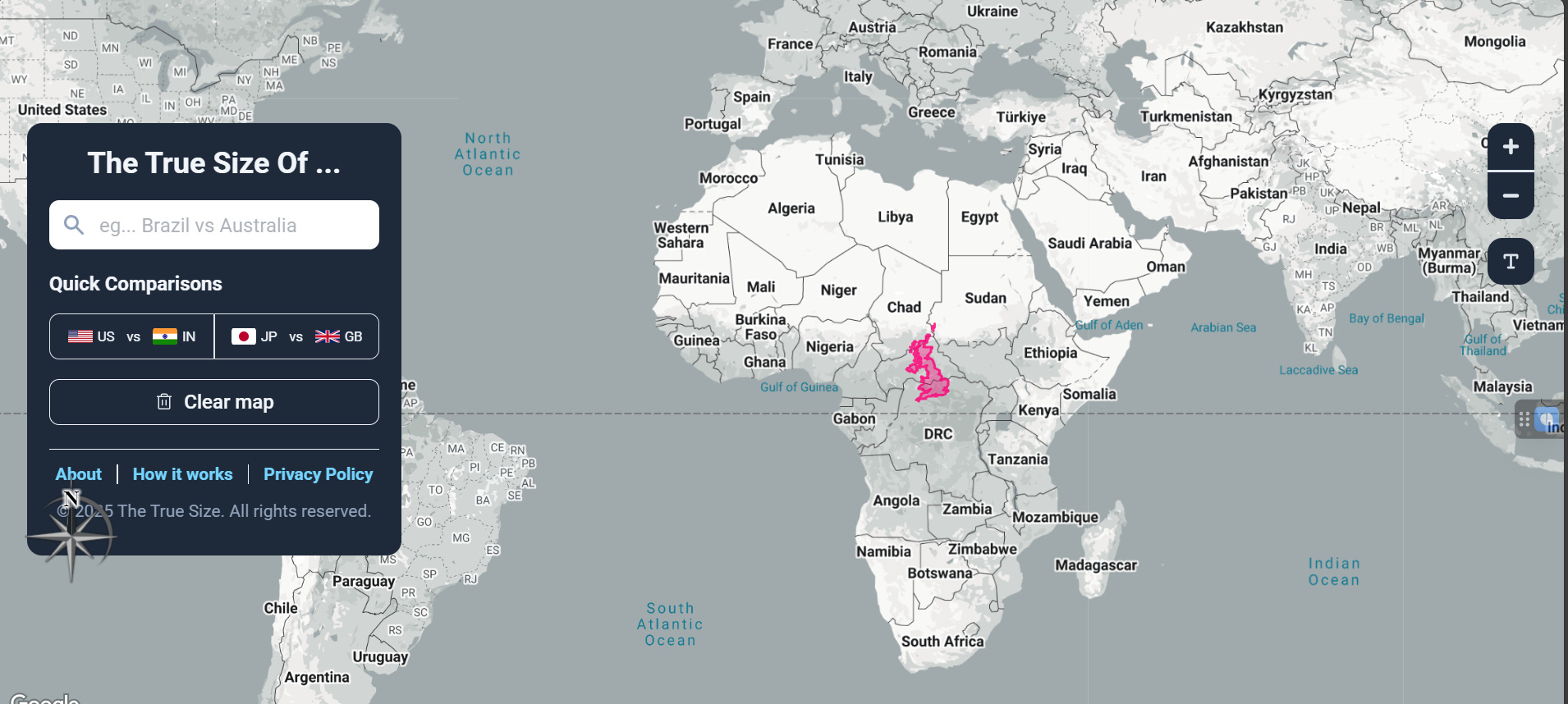
At 54 and counting (53 in 2010), Africa is home to the largest continental contingent of nations globally. It’s also home to an uncountable amount of distinct ethnic groups, of whom speak almost a third of the world’s languages. Africa is incredibly diverse, but is built like a labyrinth as a result, walling its players off from each other.
Today’s globalized economy looks at this and simply sees fractured and disconnected markets. Manufacturing requires scale for expansion, but only 5 African countries boast populations equal or in excess of that of the United Kingdom’s. The population count for most African nations is fewer than 20 million. Comparatively low population density rates within these countries further fragment markets. Only the Great River and Great Lake nations of Nigeria, Egypt, Ethiopia, the DRC, Kenya, Tanzania and South Africa have been able to sustain fairly large population sizes.
Manufacturing and economies of scale
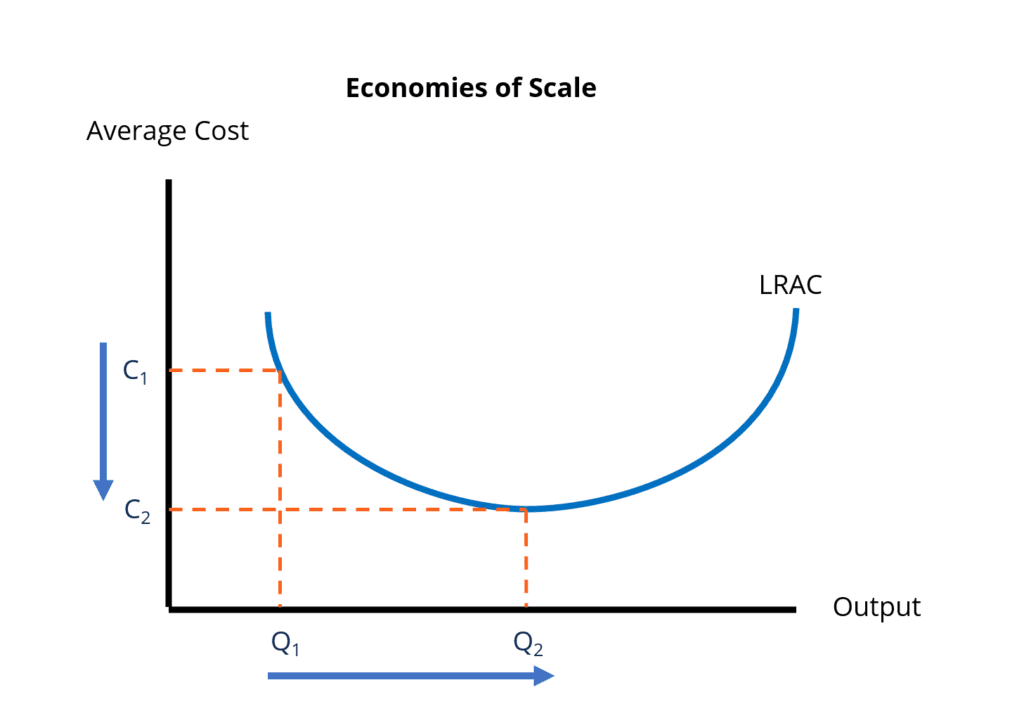
Size matters, and big might not always be beautiful but it’s certainly more bountiful. A $100,000 factory producing 100,000 Nokia 3310s (my age is showing here) a month is more competitive than a $100,000 factory producing 10,000 Nokia 3310s. This process is what people in business and economy describe as economies of scale. Fixed and certain variable costs such as land costs, rent, heavy and light machinery and even wages, fall on a per unit of Nokia 3310 under expansion as those costs spread, or become diluted across a larger economic market.
What follows can be a virtuous cycle, as manufacturing feeds into economies of scale, and economies of scale finances and justifies more manufacturing. The big get bigger and the small get smaller - the rich gets richer and the poor become poorer.
This brings me back to why manufacturing in Africa isn’t thriving like it is in much of Asia, North America, Central and Eastern Europe now, or like that of Western Europe in the past.
Excessive red tape and regulations, corruption, or skill constraints (Africa was a larger manufacturer 50 years ago) are not to blame for the failure of manufacturing to take off across many parts of Africa overall.
Most African nations lack the kind of scale required for real manufacturing growth. If ECOWAS was a properly enforced free trade area, Member State manufacturers would have a larger market to produce for, enabling lower costs per unit of input (or economies of scale) to kick in, enhancing local competitiveness.
You really can’t compare manufacturing for a market of approximately 20 million in Senegal, to over 400 million with ECOWAS (larger than the USA population-wise).
Manufacturing was more of a potent force for Africa in the seventies than it is now. Partly because trade was not as globalized back then and a truly Communist China was out of the international market.
Manufacturing and Asia
Fast forward to today, and the emergence of China and India has changed everything. The size of their internal markets and workforce is unlike anything we see across individual African nations (not Africa as a whole though). So nowadays, the scale threshold for unlocking competitiveness in manufacturing is much higher as a result.
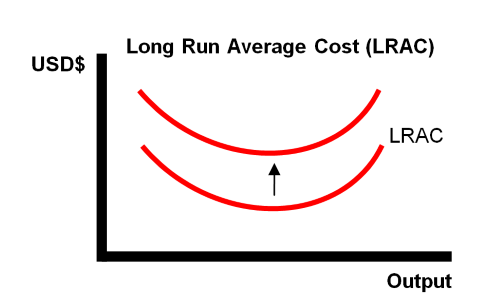
The long run average cost curve has essentially shifted upwards for a lot of African manufacturers.
I think that it would be beneficial for us as thinkers focused on African growth to assess matters under a deeper, meta-focused lens. I rarely see African content on economy attempt to dig into “The why behind the why”, or try to deconstruct and explore matters from first principles.
PS: I haven’t been writing as much lately as I am currently writing and editing a book that basically sums up all of my views and “hot takes” on Africa.
More to be revealed soon.